Websites
These are likely to be the first point of contact for information and advice, and best practice would include:
- Appropriate links should be clearly on the homepage or easily discoverable
- Have information and associated language as specific as possible (so explicitly mention refugees or those with overseas qualifications), rather than just general ‘entering the profession’. Many organisations have this to e.g. encourage schoolchildren or support teachers, but refugees who have already been in the profession will require something different
- Have a contact person and email address for enquiries – which works and gets a reply!
- Ensure information valuable to users is comprehensive and not in members-only areas

Case study: British Medical Association
The BMA has links on the home page for doctors New to the UK which then has specific Help for refugee doctors, which includes a form to join the
BMA refugee doctor initiative
The refugee doctor initiative is free and provides you with a range of benefits to help suitably trained doctors to get their licence to practice in the UK.
What is included
- Free weekly subscription to the BMJ.
- A confidential, 24-hour phone counselling service for you and your family for all personal, emotional, work or study related problems.
- Use of the BMA library.
- Local BMA support and attendance of local BMA meetings.
- Support from the BMA international department.
There is also support from the General Medical Council
Simple guide to the profession
How does the profession ‘work’ in the UK? What would not be clear and obvious to an ‘outsider’ even if qualified and experienced?
“In my country of origin there is no distinction between barrister and solicitor.” Refugee lawyer
“There is no professional body in my country.” Refugee civil engineer
The information should be clear about any regulatory role, including explanation of why membership or accreditation is important or valuable. What are the processes required to be able to practice, and how can your organisation help? There may be members with refugee or other migrant backgrounds who are willing to provide lived experience and guidance for the organisation.
If there are different regulatory and professional bodies, or a range of similar alternative bodies then provide a guide to the differences. There may not be professional bodies in the refugees’ country of origin, or one may cover a range of disciplines with separate organisations in the UK.
Clear to both refugees and those supporting them
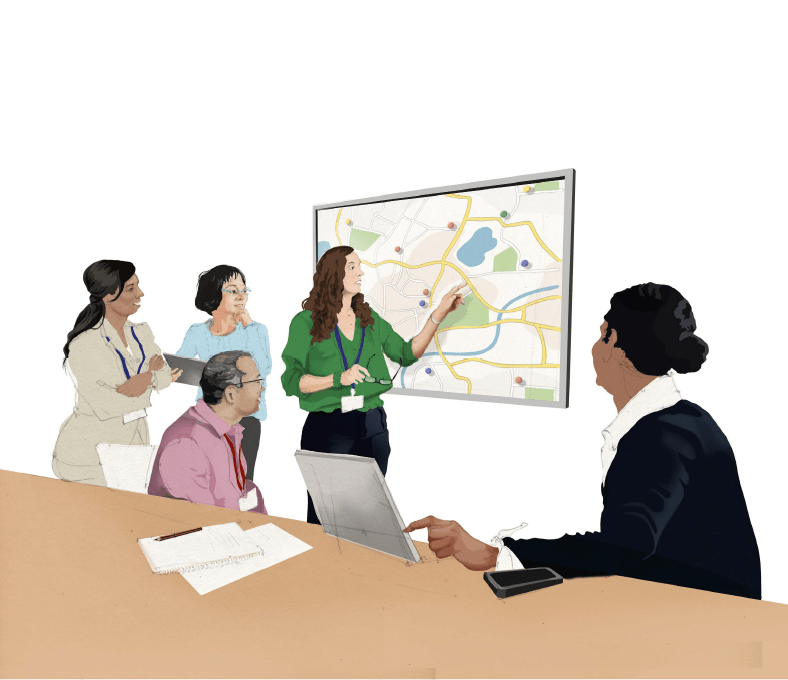
Information may be sought by refugee professionals themselves, or by ‘non-expert’ people working for refugee support organisations or in a mentoring or buddying scheme to help their service users. Information needs to be accessible and clear to both these groups, using plain English and with terms explained.
Gendered issues
While all refugees face barriers to employment, and different individuals will have diverse experiences, the evidence suggests there is a particular problem for professional women in (re)establishing their careers, even if they participate in general support programmes. So sensitivity to this and tailored support may be needed.
Inclusive & ‘can do’
Adopt an encouraging and inclusive tone, rather than just a list of all the things they need to do to enter the profession, which can seem daunting and unattainable.
Do you have members who are from a refugee background, or have you supported people previously? Case studies and success stories on the website are encouraging, and accompanying videos can be more engaging and more accessible than just text.
While refugees may have experienced trauma, most report that their biggest frustration is with bureaucracy and delays in returning to the career they love which gives them identity and sense of purpose, as well as income and a sense of giving back to the country that has given them shelter. They can lose confidence and self-worth over time, so early positive interventions can provide a real boost.
Adopt a flexible approach to support, based on individual needs analysis, rather than a single ‘one size fits all’ package.
Alternate career pathways
Not all refugees will be able to continue in their previous career if the obstacles for them personally are too great, and some will be interested in a career change. Information and support for what alternative roles they might consider in the wider sector or beyond given their skills will be valuable.
 refugeeprofessionals.uk